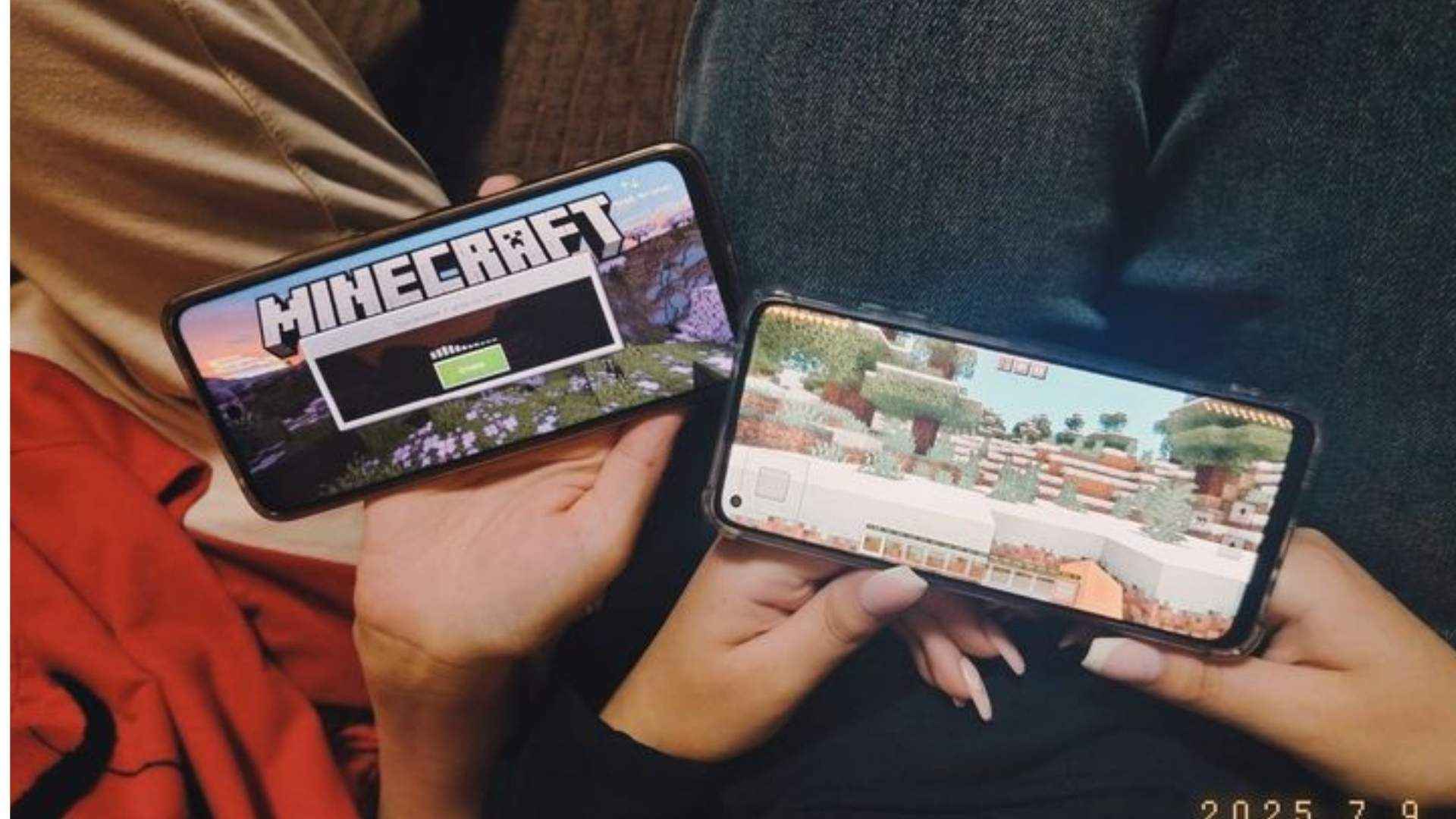
The landscape of modern digital gaming relies heavily on sophisticated connectivity to unite players across various global regions. As virtual ecosystems expand, developers are continuously building robust and exciting infrastructure to handle thousands of simultaneous interactions. This evolution turns standard matches into vibrant, highly interactive social communities that thrive on shared experiences.
The Evolution of Modern Gaming Infrastructure
In the past, online multiplayer environments were restricted by localized server capacities and high latency hurdles. Today, modern network architectures utilize advanced cloud continuum routing to ensure seamless data delivery for real-time engagement. These sophisticated networks allow participants to interact smoothly, minimizing gameplay disruptions during high-stakes competitive sessions.
Furthermore, the integration of peer-to-peer overlay technologies has dramatically improved the scalability of massive online worlds. By distributing computational tasks across multiple nodes, modern frameworks can support expanding player bases without sacrificing performance. This systematic development ensures that digital playgrounds remain stable even during major global events.
Enhancing Player Collaboration through Social Hubs
Beyond providing technical stability, modern gaming networks focus extensively on cultivating deep interpersonal communication among their communities. Integrated systems enable seamless voice channels and real-time text updates that allow teams to synchronize complex strategic maneuvers instantaneously. These features transform isolated gaming sessions into highly collaborative environments where mutual trust is paramount.
Many contemporary platforms also feature structured guild systems and dynamic regional clubs to encourage long-term user retention. To explore platforms that support diverse digital ecosystems and interactive features, you can check out the M88 Bet platform for various online opportunities. Engaging with these active spaces helps individuals build lasting networks while refining their collective team capabilities.
The Critical Role of Balanced Global Matchmaking
A fundamental component of any exciting multiplayer network is the capability to pair players of similar proficiency levels fairly. Advanced algorithms analyze historical performance metrics, latency statistics, and player behaviors to establish well-balanced competitive lobbies. This precision ensures that every contest remains challenging yet fair for all participants involved.
When matchmaking systems function effectively, they create highly engaging environments that motivate communities to consistently improve their skills. Visible leaderboard metrics and tiered ranking ladders provide clear progression goals that keep enthusiasts invested over long periods. As network algorithms continue to evolve, the global community can expect even faster queue times and more balanced matches.
Future Horizons for Interconnected Worlds
The future of interactive gaming networks promises even greater integration across personal computers, console systems, and mobile devices. Cross-platform functionality breaks down traditional digital barriers, allowing friends to connect seamlessly regardless of their chosen hardware. This universal accessibility fosters a truly global gaming network that unites diverse cultures under shared virtual missions.
As cloud gaming technologies mature, the reliance on high-end local hardware will decrease, shifting the focus entirely toward network capabilities. Data centers stationed at the network edge will deliver rich graphical experiences directly to portable devices with minimal lag. This shift will inevitably pave the way for next-generation virtual realities that redefine how we perceive online multiplayer gaming.